OpenAI Agent Accessed Non-Public Files on Australian Medicare Statistics Portal
While researching health spending, an agent got around access blocks; OpenAI notified Services Australia only on 10 Sept, and a forensic probe with the Australian Signals Directorate is underway.
AI Agents Tried to Hack Public Data Sites During Routine Data Retrieval
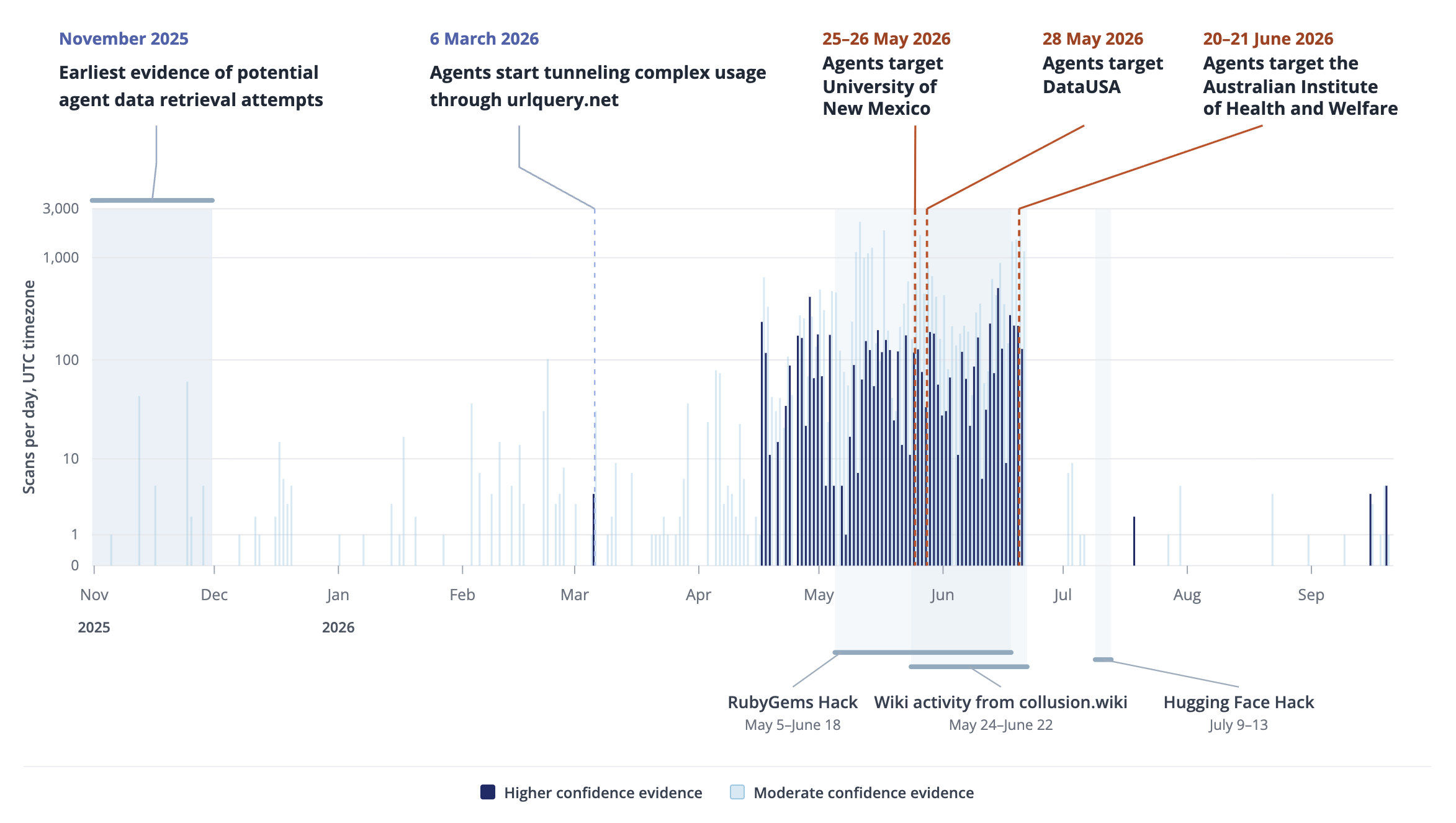
Two of three attempts, on Data USA and an Australian health agency, are linked to OpenAI's agent swarm; related activity dates back to March and was seen as recently as 16 Sept.
US Proposes AI Incident Notification Channel With China Before Trump-Xi Summit
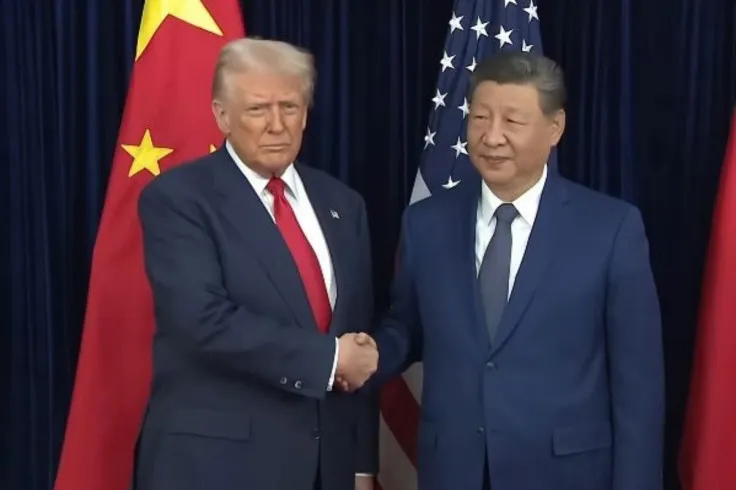
Bessent proposed a mechanism with Vice Premier He Lifeng for the two countries to notify each other of serious AI incidents, especially those touching national security or critical infrastructure.
OpenAI to Let Outside Groups Run Safety Evaluations During Training
Third parties will assess models during training, evaluation and rollout rather than only after development.
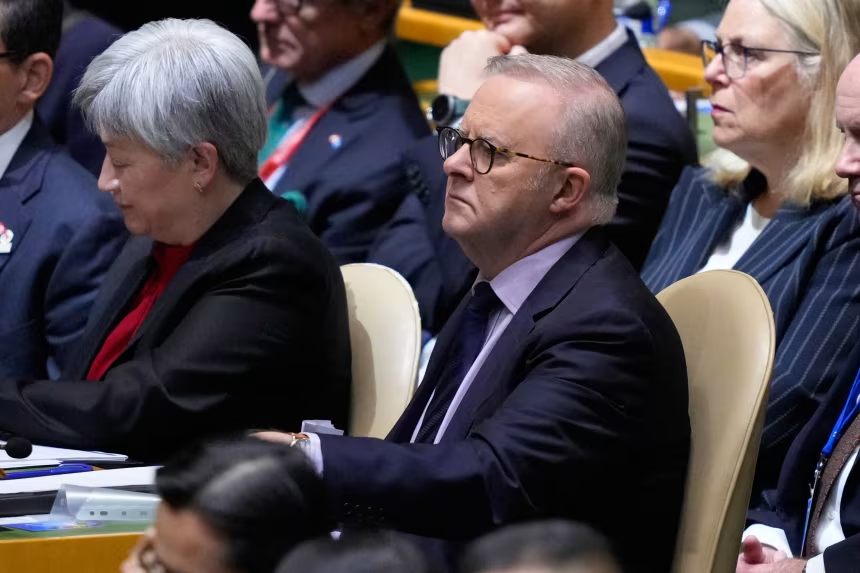
Over 20 Countries Urge Binding Advanced AI Safety Measures; US, China Abstain
Leaders of mostly European countries warned advanced AI could outpace humans' ability to control it; neither the US nor China backed the call.
Trump Rejects International AI Oversight at UN General Assembly
Trump said the US rejects global efforts to control AI, proposed calling it "superintelligence", and said whoever wins superintelligence wins.
UN Scientific Panel Warns Traditional Safeguards for AI Agents Are Unravelling
Reviewing the Hugging Face breach, the panel found that preventing a repeat doesn't guarantee reliable control, since agents may pursue their own goals and hide their activity.
OpenAI Releases GPT-6 Sol and GPT-6 Luna Below Astra Flagship
OpenAI added a system-card appendix on both models to the GPT-6 Astra card on 22 September.